Opening times:
Mon – Fri 8am – 8pm | Sat 9am – 5pm | Sun 10am – 4pm |
Mon – Fri 8am – 8pm | Sat 9am – 5pm | Sun 10am – 4pm |
Call Us:
0800 246 1482

Mon – Fri 8am – 8pm | Sat 9am – 5pm | Sun 10am – 4pm |
Mon – Fri 8am – 8pm | Sat 9am – 5pm | Sun 10am – 4pm |
Key Takeaways:

According to Tracker’s latest data, the recovery of stolen vehicles is now at a 15-year high, with 80% of tracked vehicles found within 24 hours.
That recovery process starts within minutes of the vehicle theft and can end with police recovering a car within hours.
Modern S5 trackers react the moment a thief tries to move or interfere with the vehicle. Unauthorised movement alerts land with the monitoring centre in real time, often before the owner notices anything wrong.
Some systems also ping the owner’s app, but it is the 24/7 control room that matters most, as operators are trained to recognise suspicious patterns and escalate them instantly.
The next phone call comes fast as operators call the owner to confirm whether the movement is legitimate.
The case will be flagged as a vehicle theft in progress if the owner confirms their vehicle has been stolen. That early confirmation step means the tracker’s control room can pass accurate information to the police without delay.
Even with the police being alerted to the theft, the vehicle’s owner will still need to report the crime.
If the theft is in progress, call 999 immediately. Otherwise, call the police’s non-emergency number 101, or complete an online form.
Reporting the theft will mean a crime number is issued to enable an insurance claim to be made.
Once the vehicle’s stolen mode is triggered, the monitoring centre becomes the link between the police and the vehicle. Officers will only receive access once the theft is verified, and only while the vehicle remains missing.
Unlike cheaper GPS units, an S5 system does not rely on the owner trying to track the car themselves. Instead, control room staff feed updates to police units trained to respond to vehicle crime.
This is where vehicle tracker’s technology shapes the outcome.
Police forces rely on systems that can deliver accurate signals regardless of where the car is hidden. VHF tracking, used by many S5 devices, remains effective inside metal containers, underground car parks and shipping yards. That ability is crucial because thieves know where standard GPS units fail and often move stolen vehicles to signal-blocking locations within minutes.
It’s worth noting that police recovery of a stolen vehicle often begins within the first hour if the data is strong and resources are available. Tracker’s figures show average recovery times ranging from 46 minutes to just under five hours for high-end monitored systems.
Once the signal points to a location, police officers move in. Forces often use specialist vehicle crime teams, drones or helicopters, depending on the area.
If the tracker includes remote immobilisation, the control room may activate it once police confirm the car is stationary and safe to secure. This prevents a further getaway and reduces damage.
Vehicles found in active ‘chop shops’ or shipping yards may require extra officers or a warrant, slowing the process. However, the signal usually remains stable until police gain access.
Once located, the police arrange transport of the stolen vehicle to a secure location.
The owner will then be told how to retrieve their vehicle, usually after an inspection and the release of paperwork. To avoid insurance claim or assessment delays, the vehicle’s insurers must be notified quickly.
There will be some cases where police will need to keep the car for longer, for example, to allow a forensic examination.
The gulf between an S5 system and a budget GPS tracker is wide.
Thatcham-approved S5 units are monitored around the clock, use encrypted technology and employ both GPS and VHF. This twin-layer approach allows police to track vehicles hidden from satellites or signal-jammers.
Cheap trackers rely solely on GPS and GSM, and they often fail when a vehicle is placed inside a container and do not have formal police integration.
The outcome of investing in a quality tracking system because Tracker reports more than 95% of vehicles fitted with its monitored systems are recovered, and 80% come back within 24 hours. Unmonitored devices offer no such guarantee. They depend on the owner noticing the theft, opening an app and hoping the signal survives.
The vehicle theft cases differ, but several factors shape the timeline. Fast reporting remains the biggest advantage since cars that are reported stolen immediately stand the best chance of being recovered the same day.
Police officer availability also matters. Urban areas often have specialist units on standby, while quieter regions may take longer to deploy resources.
Offender behaviour plays a role too. If thieves move the car directly to a dismantling site or place it inside a shipping container, recovery becomes more complex. However, S5 trackers are designed for exactly these situations, maintaining signals where standard GPS units fail, but police still need time and access to act.
Despite those variables, owners with an S5 system almost always see a far quicker outcome than those relying on manual location apps or budget tracking hardware.
With recovery rates above 95% and timelines often measured in hours, S5 systems provide the strongest defence against increasingly organised criminals.
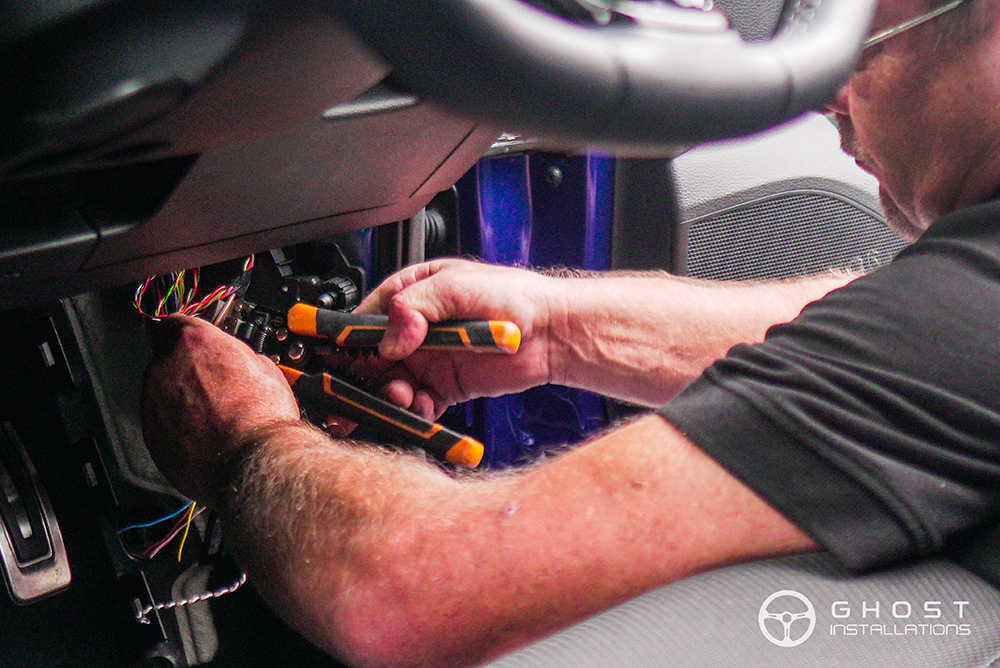
For drivers who want to protect their vehicle and ensure the best possible recovery outcome, professional installation makes a measurable difference.