Opening times:
Mon – Fri 8am – 8pm | Sat 9am – 5pm | Sun 10am – 4pm |
Mon – Fri 8am – 8pm | Sat 9am – 5pm | Sun 10am – 4pm |
Call Us:
0800 246 1482

Mon – Fri 8am – 8pm | Sat 9am – 5pm | Sun 10am – 4pm |
Mon – Fri 8am – 8pm | Sat 9am – 5pm | Sun 10am – 4pm |
Key Takeaways:
That’s because this diagnostic socket, which most drivers never notice, has become the easiest entry point for organised thieves who can clone keys in under a minute.
Police and insurers say the method is spreading rapidly across the UK, and thieves are targeting some of our most popular brands: Fords, Vauxhalls and Toyota.
While the growth in keyless car theft has been grabbing the headlines in recent years, car security specialists now warn that OBD attacks are accelerating faster than most motorists realise.
Essentially, anyone with a modern car is exposed unless they have taken deliberate steps to block the attack route.
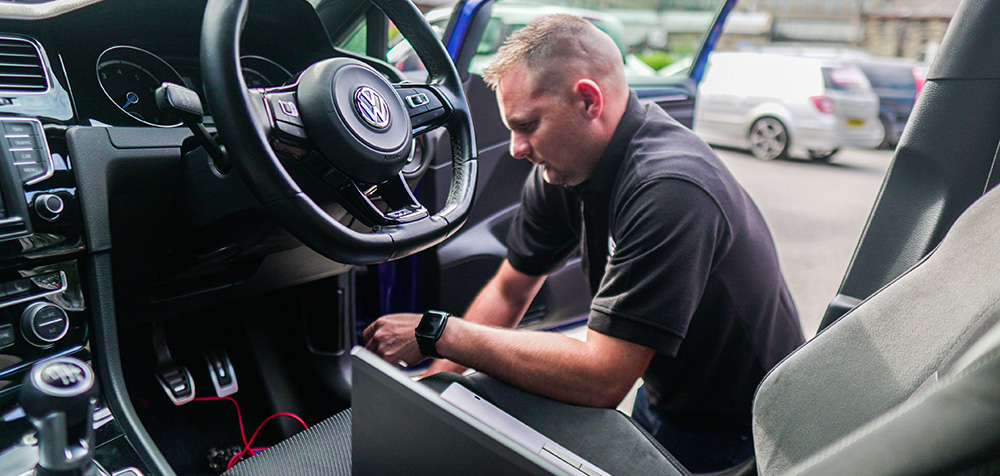
The OBD port, officially called the On Board Diagnostic interface, sits beneath the dashboard and provides technicians with access to the vehicle’s electronics.
It was never designed as a security feature and was built to help garages read faults, reprogramme systems and complete routine repairs. Yet that convenience has turned into a weak spot because the socket grants deep access to the car’s network.
Security engineers say that once inside the system, criminals can instruct the car to accept a freshly programmed key, even if the original is nowhere near the vehicle. Plus, there’s no need for a thief to smash a window or damage a lock.
Car thieves are targeting those cars which have a door that can be peeled or forced open easily. Once inside, they head for the footwell to plug a handheld programmer into the OBD socket.
These devices are sold online as ‘diagnostic tools’ and communicate directly with the car’s electronic control modules. Within moments, the unit creates a cloned key and starts the engine as if the thief is using the original fob.
Car theft experts say that an OBD port attack can be carried out in less than one minute with thieves targeting Ford Fiesta, Ford Focus, Vauxhall Corsa and Astra models, as well as Toyota hybrids.
Don’t assume that your factory-fitted car alarm will stop the breach because most fail to detect OBD manipulation. Once the car’s electronics are accessed, a standard alarm rarely intervenes. This blind spot explains why so many thefts involve no noise and no witnesses.
The industry response has focused on two areas: physical OBD protection and digital immobilisers. OBD port covers, which require a unique key to unlock the socket, can slow offenders down. Some garages also offer relocation services that move the port entirely, making it almost impossible for thieves to find within the short time they allow themselves.
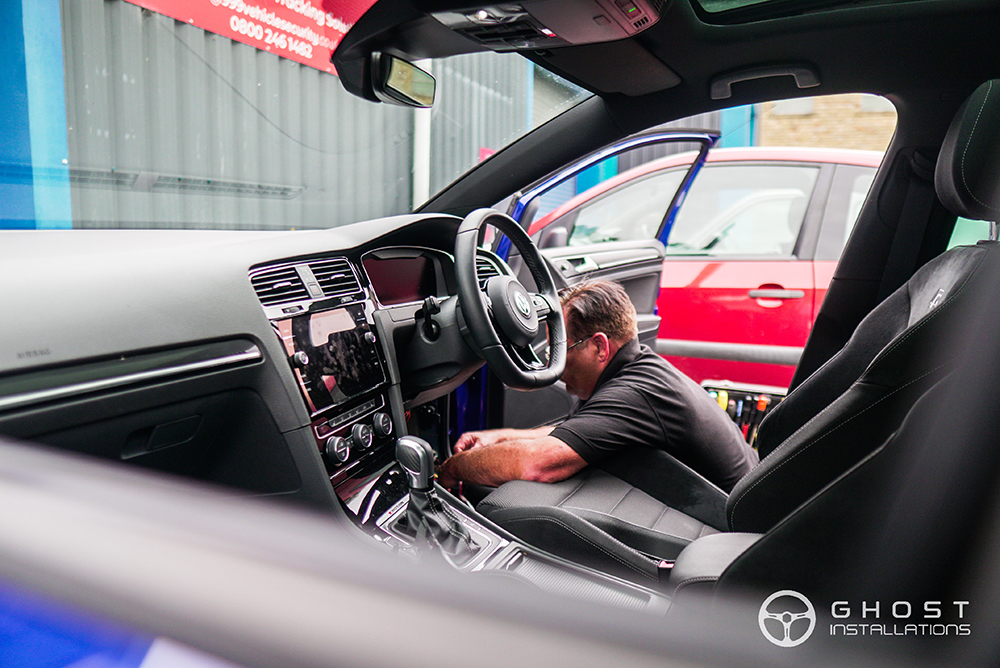
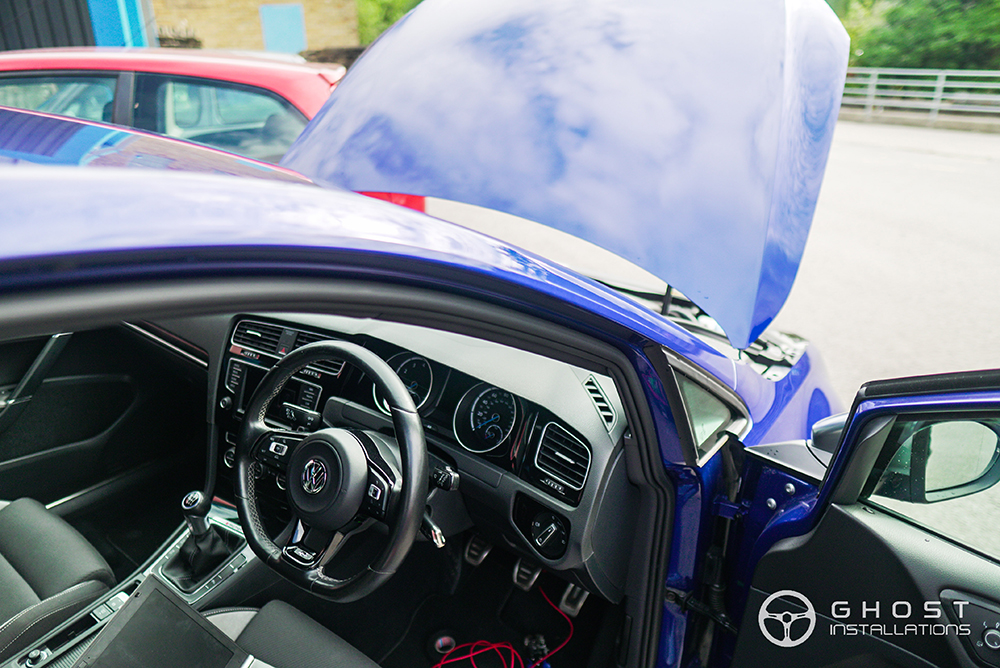
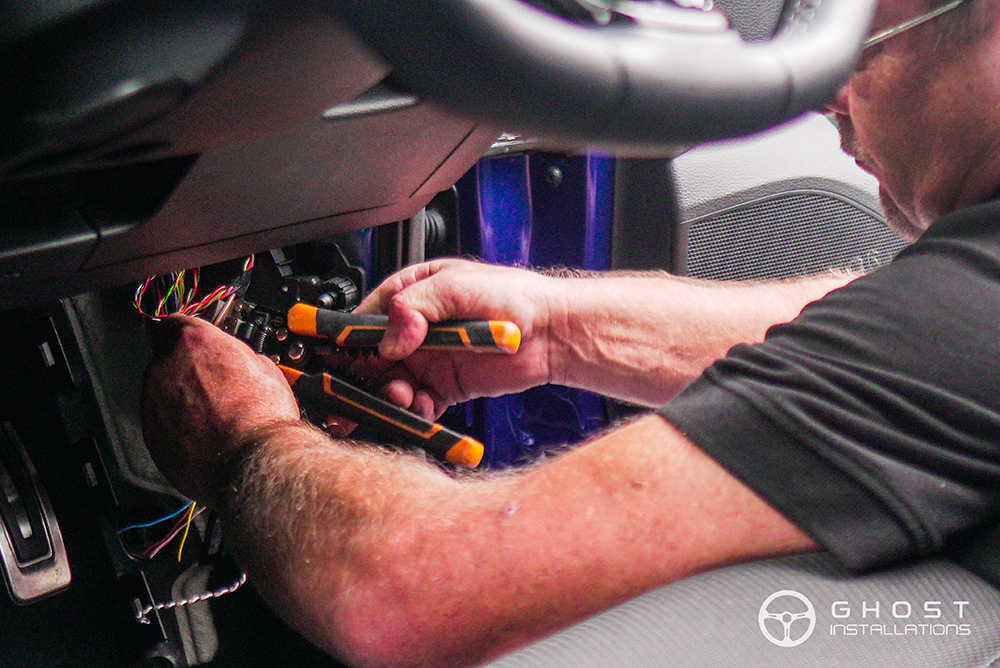
Aftermarket immobiliser, such as the Ghost Immobiliser, provide a stronger barrier by creating a hidden authorisation step inside the vehicle. Without completing this sequence, the engine will not start, even with a cloned key. That effectively neutralises the OBD attack route because the thief may be able to programme a fob, but they cannot satisfy the immobiliser’s internal checks. Also consider a category S5 tracker for additional protection.
Some car crime experts argue that the surge in key-cloning stems from the simplicity of the crime. There is no need for hacking skills or deep electrical knowledge since most of the OBD devices operate via straightforward on-screen menus.
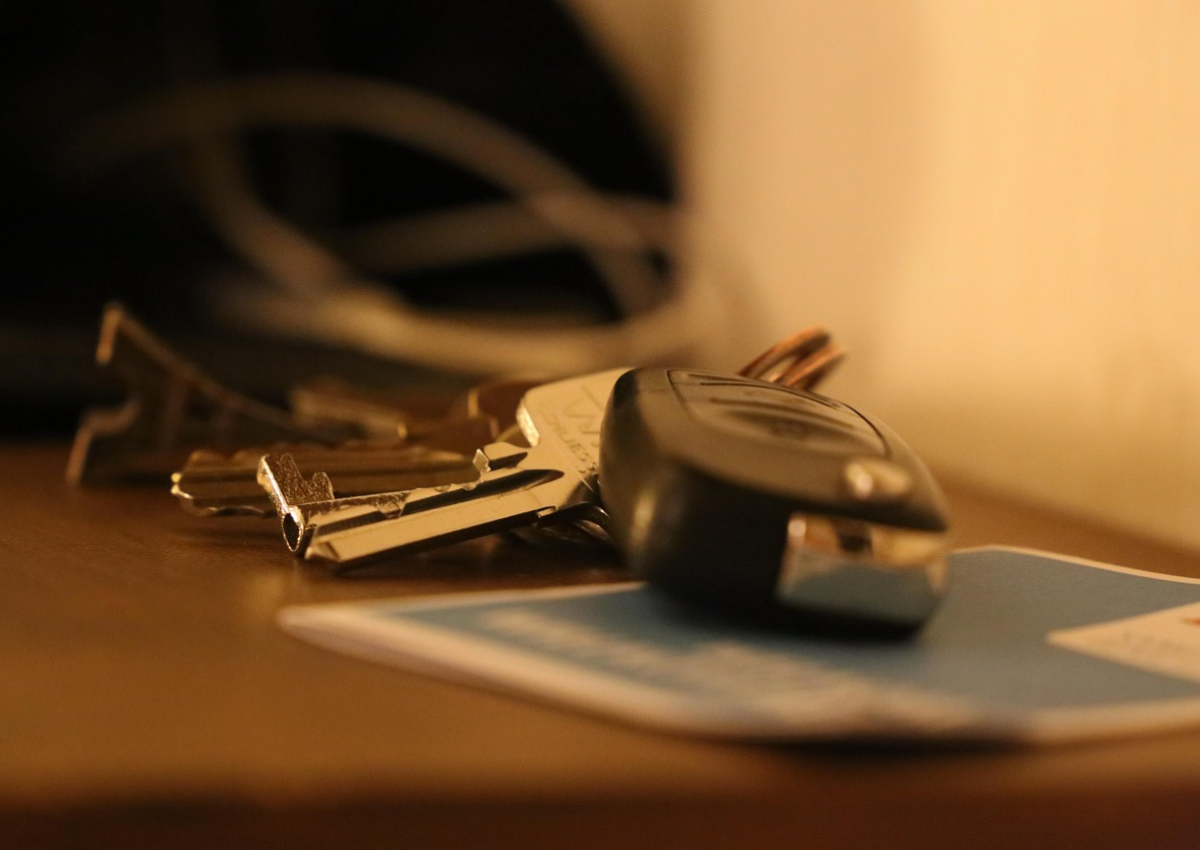
Many drivers still believe key-cloning requires access to the original fob but with an OBD attack, the cloning happens inside the vehicle via the port, not through the key itself.
To prevent your vehicle from being stolen via thieves accessing the OBD port, you can buy a port protector. Or, if you want to stay ahead of thieves and shut down the fastest-growing method of car theft in the UK, now is the moment to upgrade your security.
By installing a ghost immobiliser you’ll be adding a layer of car security that’s hard to crack.