Opening times:
Mon – Fri 8am – 8pm | Sat 9am – 5pm | Sun 10am – 4pm |
Mon – Fri 8am – 8pm | Sat 9am – 5pm | Sun 10am – 4pm |
Call Us:
0800 246 1482

Mon – Fri 8am – 8pm | Sat 9am – 5pm | Sun 10am – 4pm |
Mon – Fri 8am – 8pm | Sat 9am – 5pm | Sun 10am – 4pm |
A relay attack is one of the main reasons keyless cars are vulnerable because thieves can capture and extend the signal from your key fob, tricking the vehicle into unlocking and starting as though the key were right beside it. That means a criminal can steal a car from your drive in seconds without touching your keys. The strongest way to stop this kind of keyless car theft is to add a second layer of protection that blocks the engine from starting, which is why a professionally fitted Ghost Immobiliser from Ghost Installations is such an effective anti-theft system.
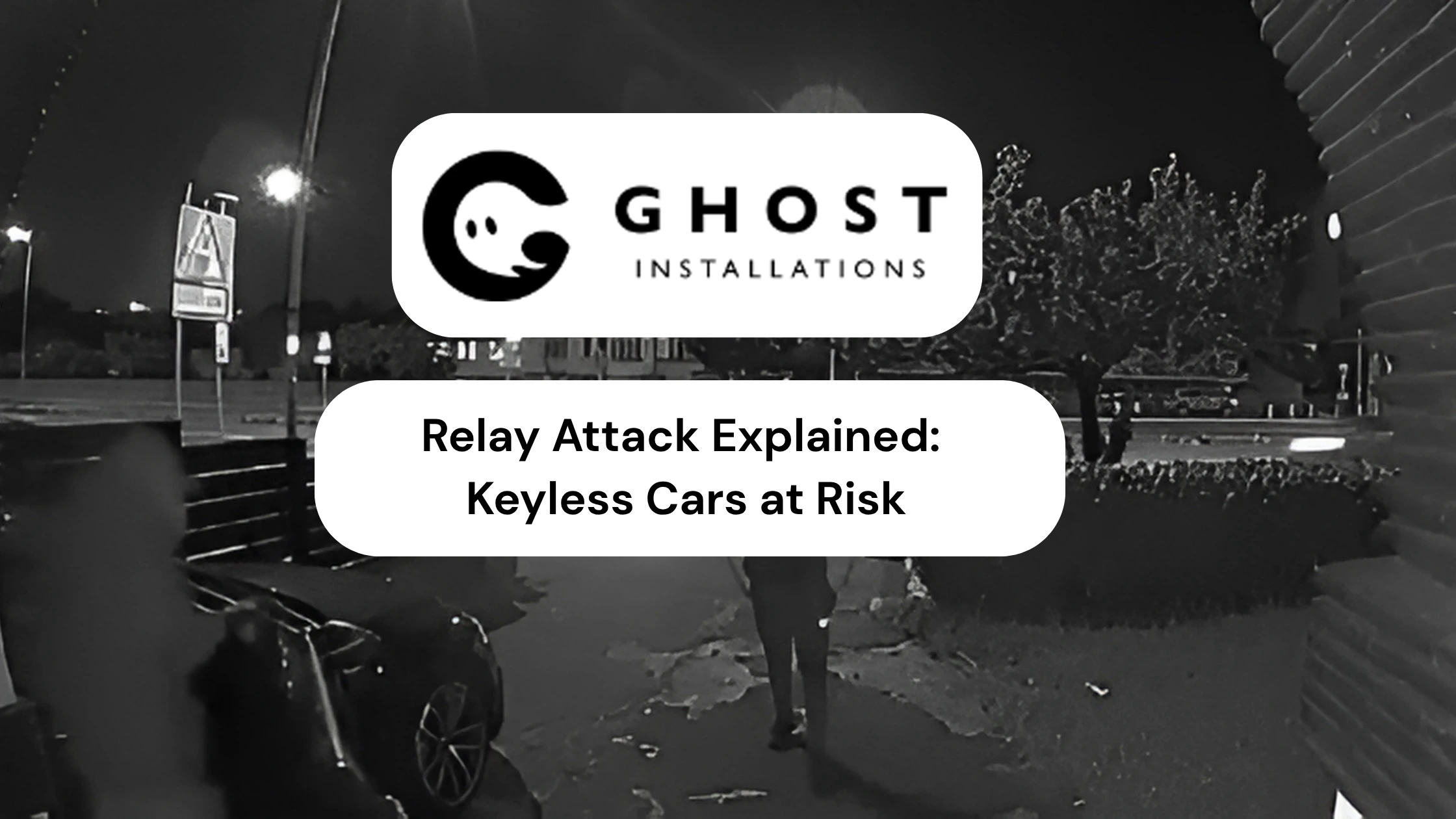
A relay attack is a method of car theft that targets vehicles with keyless entry and keyless start. It does not rely on smashing a window, forcing a lock, or hot-wiring the ignition. Instead, it exploits the wireless link between your car and your key fob.
Your key fob sends out a short-range signal. When you walk close to the vehicle, the car recognises that signal, unlocks the doors, and allows the engine to start. This is convenient for drivers, but it also creates an opening for criminals.
In a relay attack, thieves use electronic devices to capture the signal from your key inside your home and transmit it to the vehicle outside. The car thinks the real key is present. It unlocks, starts, and can then be driven away.
Relay attacks are simple, fast, and often carried out by two people. They need very little time and can leave no visible sign of theft.
The first thief stands near your front door, window, or another part of the house where the key signal may be strongest. If your keys are left in the hallway, on a side table, or hanging near the entrance, they are easier to detect.
The second thief stands next to the vehicle with another device. The signal picked up from your key is transmitted from the first device to the second one.
The second device passes the signal to the car. From the vehicle’s point of view, the correct key is nearby. The doors unlock and the ignition system is enabled.
Once the engine starts, the thief can drive off. In many cases, the whole process takes less than a minute.
That speed is what makes relay attack theft so dangerous. It is quiet, neat, and hard to spot until the car has already gone.
Keyless systems are designed to remove friction for the driver. You do not need to press a button, insert a key, or think about unlocking the car. The vehicle does the work for you.
That same ease is where the weakness lies.
A keyless car is built to trust that the signal it receives comes from a genuine key nearby. If thieves can extend that signal, they can exploit that trust.
Traditional car theft often leaves damage behind. Relay attack theft usually does not. No broken glass. No damaged lock. No forced ignition. That makes it harder for owners to notice straight away.
Cars with keyless entry are often newer, more valuable, and more desirable. That makes them attractive to organised thieves who want to sell them on, export them, or break them for parts.
Many factory alarms and built-in security systems are only designed to respond to unauthorised access. In a relay attack, the car believes access is authorised because it detects what seems to be the correct key signal.
Relay attack theft has grown because the method is effective and the equipment is easier to get than many drivers realise. Criminals do not need deep technical skills to use these tools. They only need a target vehicle and a chance to get near the owner’s key.
Police forces and insurers have repeatedly warned about the rise in keyless car theft across the UK. Popular premium brands are especially exposed because many models use similar keyless technology. Once thieves understand how one system works, they can often target many vehicles using the same approach.
This is why vehicle security now has to go beyond what comes fitted at the factory. Drivers need an anti-theft system that protects the car even if criminals manage to unlock it.
Many owners assume a factory alarm or steering lock is enough. These measures can help, but they do not always stop a relay attack.
If the car thinks the right key is present, it may disarm its own alarm. The thief is not forcing entry in the usual sense. They are tricking the car into cooperating.
A good Faraday pouch can block a key signal and reduce the risk of relay attacks. But it only works if you use it every time and if the pouch itself still works properly.
Trackers can help recover a stolen car, but they do not prevent the theft. By the time the tracker becomes useful, the vehicle is already gone.
Steering locks and driveway posts can put thieves off, but determined criminals may still try. They do not address the digital weakness at the heart of keyless car theft.
That is why Immobilisers have become such a trusted layer of modern vehicle security.
Immobilisers stop a vehicle from starting unless the right approval is given. They focus on the one thing every thief needs: the ability to move the car.
Even if a criminal unlocks the door and gets into the driver’s seat, an immobiliser can stop the engine from starting. That changes the situation completely. A thief who expected to be gone in seconds is suddenly stuck.
This matters because relay attack criminals rely on speed. They want a quick entry, a quick start, and a quick exit. When that process fails, the risk of being seen or challenged rises sharply.
For drivers who want stronger protection against relay attack theft, a properly fitted immobiliser is one of the most effective upgrades available. If you want a discreet and proven anti-theft system, explore Ghost Installations and their Ghost Immobiliser service to add an extra layer of defence to your vehicle.
A Ghost Immobiliser is designed for the way modern vehicles are stolen. It does not rely on a visible keypad, a separate fob, or a loud siren. Instead, it works quietly in the background through the vehicle’s existing systems.
The system is installed out of sight. There are no obvious clues for a thief to spot when they look into the vehicle.
Unlike the keyless system that thieves are trying to exploit, the Ghost Immobiliser does not give them a signal to capture in the same way.
Before the car can be driven, the driver must enter a personalised sequence using buttons already inside the vehicle, such as those on the steering wheel or dashboard. Without that sequence, the engine stays immobilised.
This is what makes it such a strong defence against keyless car theft. A relay attack may get a thief through the door, but it does not help them enter the correct in-car code.
The value of a Ghost Immobiliser is simple. It breaks the theft process at the most important point.
A thief may unlock the vehicle, but they still cannot drive it away without the correct sequence.
The car no longer relies only on the key signal. It also needs physical input from someone who knows the code.
Most thieves will not stay around trying to guess a hidden button sequence. The longer they remain on your drive, the more likely they are to be seen.
A Ghost Immobiliser also helps defend against other modern theft methods, including key cloning and some forms of electronic attack. That makes it a valuable all-round anti-theft system for drivers who want stronger vehicle security.
A Ghost Immobiliser is a strong line of defence, but good habits still matter. Layered security gives you the best protection.
Do not leave keys near the front door or on a hallway table. The further away they are from outside walls, the harder they are to detect.
Store your key in a quality signal-blocking pouch when it is not in use. Test it now and again to make sure it still works.
If possible, park in a garage or a well-lit area. CCTV, lighting, and visible deterrents can all help reduce risk.
Some models are targeted more often than others. If your vehicle is high-value or widely stolen, extra protection is worth serious thought.
Even the best anti-theft system depends on proper fitting. Modern vehicles are complex, and security devices need to be installed correctly to work as intended.
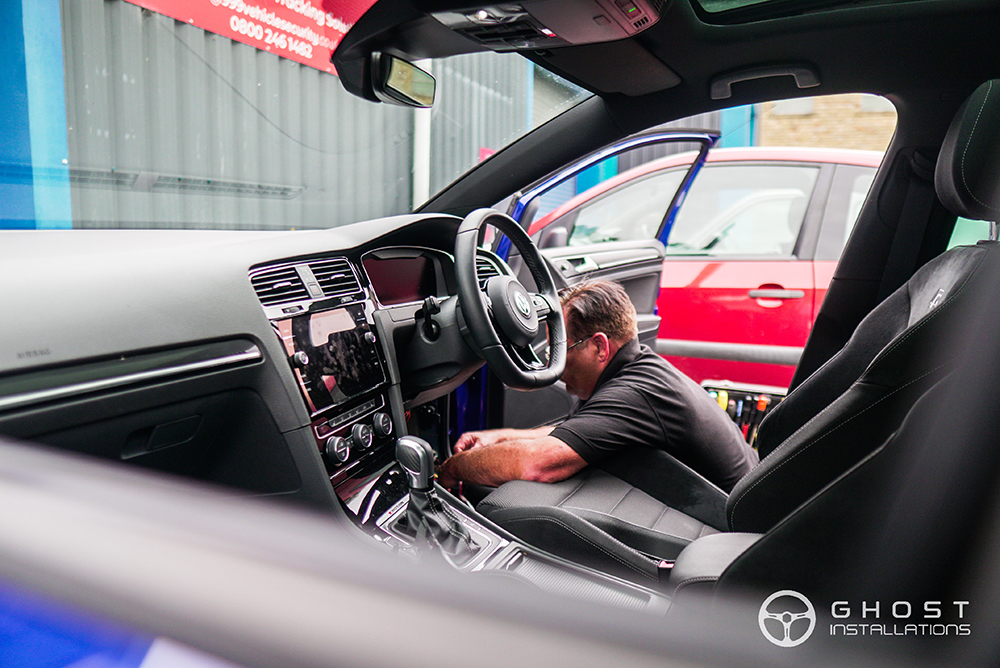
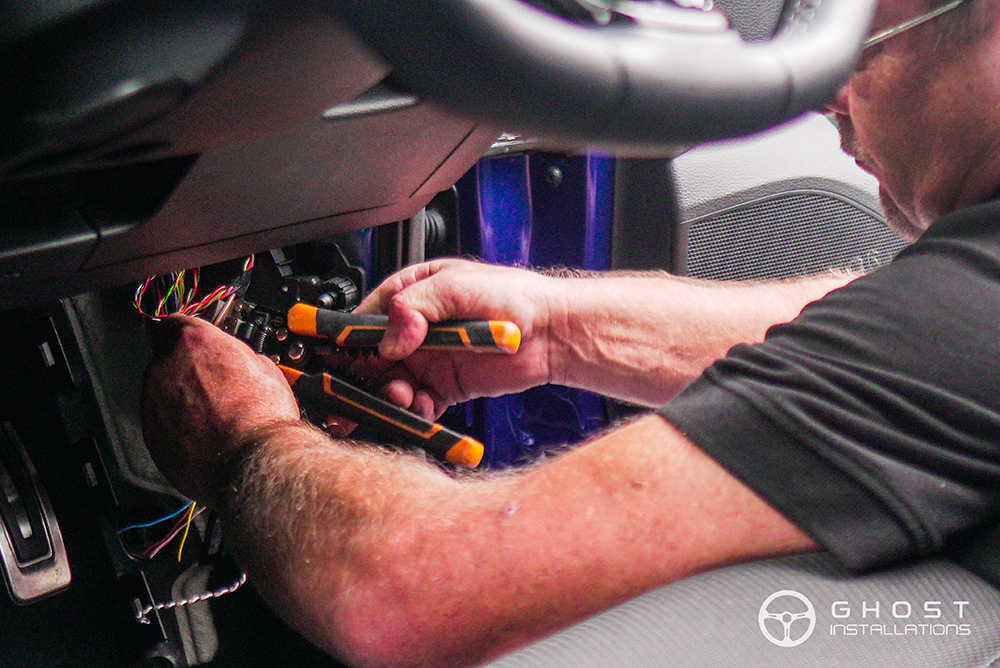
Professional installation helps ensure that the system is integrated neatly, set up correctly, and ready to perform when needed. It also means you can be shown how to use the immobiliser properly, including service mode and day-to-day operation.
For premium vehicles in particular, careful installation is essential. You want protection that is effective, tidy, and dependable.
Relay attack theft shows exactly why keyless cars are vulnerable. The convenience of keyless entry has made life easier for drivers, but it has also created a weakness that organised criminals know how to exploit. If your vehicle trusts a relayed key signal, it can be opened and started without the real key ever leaving your home.
The good news is that this threat can be tackled. Immobilisers give you a vital extra layer of vehicle security by stopping the engine from starting without the right authorisation. A Ghost Immobiliser is especially effective because it requires a unique in-car button sequence that relay devices cannot provide.
If you want to protect your car against relay attack theft and strengthen your vehicle security with a proven anti-theft system, book with Ghost Installations and secure your vehicle with confidence.