Opening times:
Mon – Fri 8am – 8pm | Sat 9am – 5pm | Sun 10am – 4pm |
Mon – Fri 8am – 8pm | Sat 9am – 5pm | Sun 10am – 4pm |
Call Us:
0800 246 1482

Mon – Fri 8am – 8pm | Sat 9am – 5pm | Sun 10am – 4pm |
Mon – Fri 8am – 8pm | Sat 9am – 5pm | Sun 10am – 4pm |
Key Takeaways:
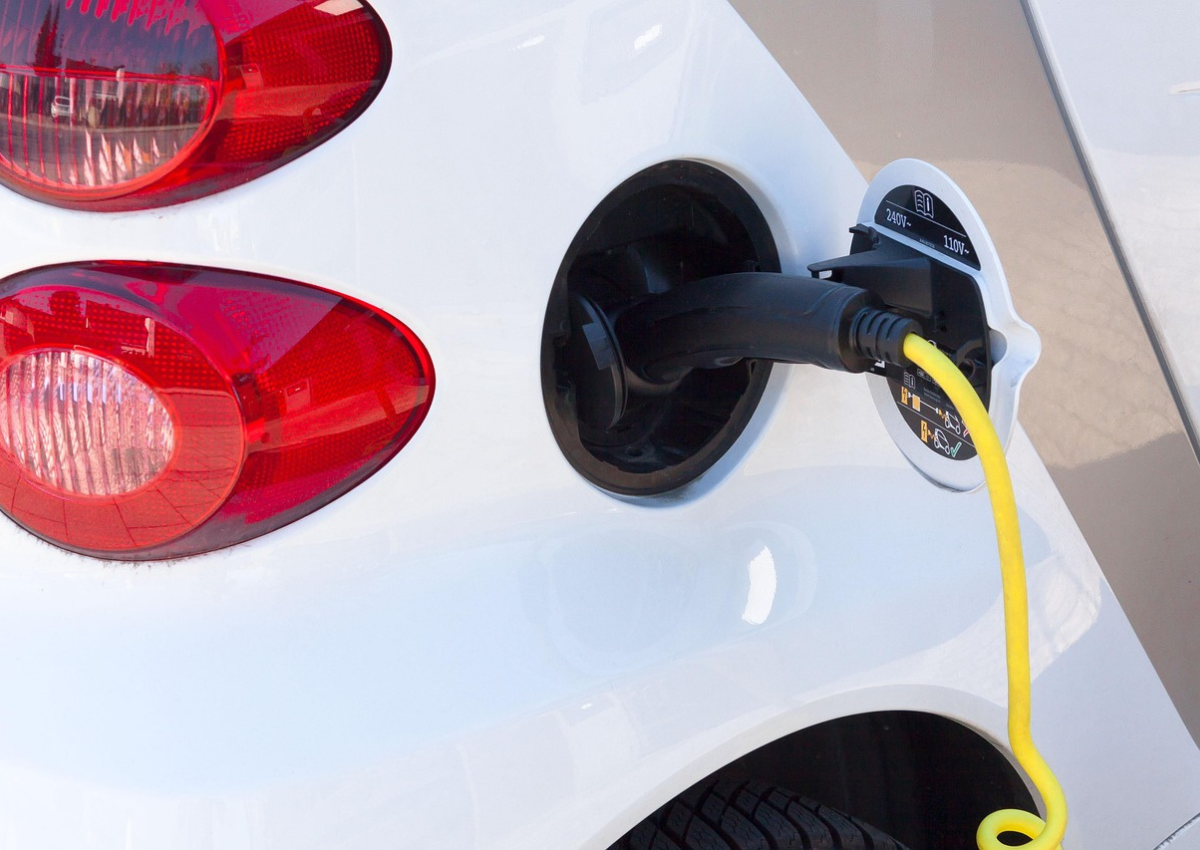
The car history checking firm, HPI looked at more than 864,000 electric cars and found that only 0.1% were stolen last year. By comparison, the figure for all vehicles sat at 0.2%.
The overall risk may be small, but some electric models attract far more unwanted attention than others, it found.
Topping the list is the Kia E-Niro Electric Estate, followed closely by the Hyundai Ioniq 5 Electric Hatchback and the Kia EV6 Electric Estate. The Volkswagen Golf Electric and Jaguar I-Pace also appear in the top tier.
The firm’s data highlights several geographical clusters and, excluding Greater London, places the West Midlands at the top with 104 thefts. The East of England followed with 59, then the North West on 56 and the South East on 43.
The increasing theft trend suggests that as EV adoption accelerates, criminals are rapidly adapting their methods to target these high-value vehicles.
A major reason these vehicles are being targeted lies partly in their high-voltage lithium-ion battery packs. They attract thieves because they are worth a lot of money in export markets or for off-grid use.
There’s no doubt that stolen EV batteries can be resold quickly to locations where demand outstrips supply. Considering that some luxury models have a replacement battery price tag of £5,000 – £15,000, it’s not hard to see the attraction for thieves.
Along with the batteries, there are other high value components, such as infotainment modules, charging cables and the specialist hardware.
That makes electric and hybrid models ripe for parts stripping rather than just joyriding.
It’s worth noting that the copper in charging cables is making them an increasingly popular target too.
Most electric vehicle drivers won’t be aware of their vehicle’s security vulnerabilities.
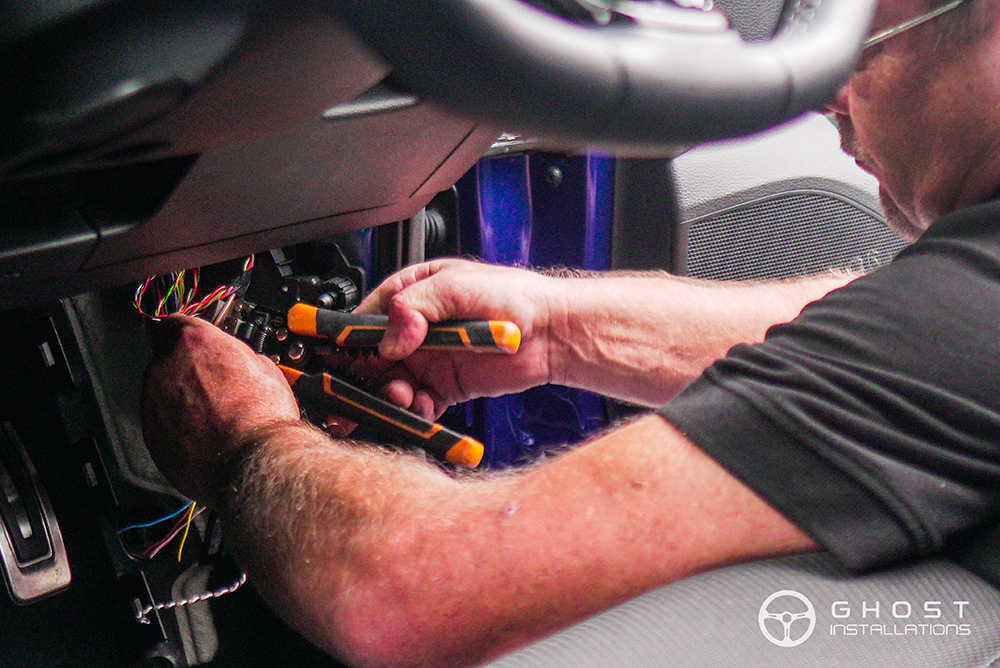
One big issue lies in the so-called frunk, or front-boot, and other accessible compartments. Thieves can exploit access gained through non-traditional entry points to gain wiring access.
However, a more concerning issue is the rise of CAN bus attacks. The CAN (Controller Area Network) bus is the internal wiring system linking electronic control units inside a vehicle. It lacks built-in encryption or authentication, making message injection or spoofing a real concern.
In one documented case, thieves accessed the wiring behind a headlight control unit and sent fake CAN messages to the powertrain systems, bypassing the factory installed immobiliser entirely.
Another common exploit is the keyless entry relay or signal amplification attack. That’s when a thief stands near a property and captures the key fob signal, while another thief stands near the vehicle. The car thinks the key is present and so unlocks the doors and starts.
Because EVs have complex systems, they offer thieves an entry point as they are connected via charging systems, networks and charging infrastructure.
So, what can EV owners do to mitigate risk? A layered approach works best and includes:
Electric vehicles offer huge gains for drivers and the planet, but criminals are adapting and doing so quickly. They are targeting batteries, abusing connectivity, exploiting CAN-bus weaknesses and keyless systems.
The risk is real and growing in the UK.
By adopting a combination of good habits and strong hardware, owners can make a big difference. However, for the best protection consider installing a Ghost Immobiliser which is a stealth system built for this challenge. Also consider a Thatcham Approved vehicle tracker.
Don’t wait until a theft incident occurs because your vehicle, battery and peace of mind are worth it.