Opening times:
Mon – Fri 8am – 8pm | Sat 9am – 5pm | Sun 10am – 4pm |
Mon – Fri 8am – 8pm | Sat 9am – 5pm | Sun 10am – 4pm |
Call Us:
0800 246 1482

Mon – Fri 8am – 8pm | Sat 9am – 5pm | Sun 10am – 4pm |
Mon – Fri 8am – 8pm | Sat 9am – 5pm | Sun 10am – 4pm |
Car theft remains a serious concern. In 2023/24, England and Wales recorded 129,159 vehicles stolen, according to the Office for National Statistics, close to a 15-year high and equivalent to around 356 vehicles a day. Against that backdrop, the humble immobiliser is one of the most important defences your car has. This guide explains what a car immobiliser is, how it works, why it can still be beaten, and what the best modern options are.
A car immobiliser is an electronic security device that prevents the engine from starting unless it receives the correct code. In practice, it means a thief cannot simply get in and drive away, even if they are inside the car, because the engine will not run without authorisation. It is the invisible layer of security working every time you start your car.
Most factory immobilisers rely on a transponder chip in your key or fob. When you start the car, the chip sends a unique code to the vehicle’s engine control unit (ECU). The ECU checks that code against the one it has stored, and only if they match does it allow the car to run. If the code is wrong or absent, the immobiliser keeps one or more essential systems disabled, typically the starter motor, fuel supply or ignition, so the engine cannot start. The whole handshake happens silently in a fraction of a second.
Yes, for new cars. Since October 1998, every new car sold in the UK has been required to have an electronic immobiliser fitted, part of a Europe-wide push to cut soaring car theft. It worked: academic studies have credited immobilisers with reducing vehicle theft substantially, by around 40% over the period studied. If your car was registered after 1998, it almost certainly has one built in.
| Type | How it works | Pros | Cons |
|---|---|---|---|
| Factory transponder | A chip in the key sends a code to the ECU to allow the engine to start | Built in, automatic, no effort needed | Can be vulnerable to relay attacks and key cloning on keyless cars |
| Aftermarket PIN / CAN bus (e.g. Ghost) | Requires a personal button sequence entered on the car’s existing controls | Covert, defeats relay and cloning, no key signal to intercept | Needs professional installation; you enter a sequence to start |
| Mechanical | A physical lock on the steering wheel, gearstick or pedals blocks driving | Visible deterrent, inexpensive | Cumbersome, can be forced, not electronic |
This is where modern theft gets clever. A standard factory immobiliser is highly effective against opportunist thieves, but determined criminals have developed ways around keyless systems:
Because these methods target the key signal, a factory immobiliser alone may not stop them. That is why aftermarket immobilisers have become popular, especially for prestige, high-value or classic vehicles.
The most effective modern aftermarket immobiliser is the type that removes the key signal from the equation entirely. The Ghost Immobiliser, developed by Autowatch and installed by Ghost Installations, is the leading example.
Instead of a fob or a visible keypad, it uses a personal PIN sequence, up to around 20 button presses, entered on the car’s existing controls such as the steering wheel, dashboard or centre console. It connects to the car’s CAN bus and emits no radio signal, so there is nothing for a relay device or diagnostic tool to intercept. Without the correct sequence, the car will not start, even if the thief holds your genuine key. Some versions, such as the Ghost II, also offer an optional smartphone app that can disarm the system or grant temporary access, for example to a mechanic or valet, without revealing your PIN. There is also an emergency override code so you are never permanently locked out.
They can. Insurers generally view a quality, professionally fitted immobiliser favourably, and some may offer a benefit for one, particularly on high-value vehicles. This varies between insurers, so it is always worth checking with yours before assuming a discount.
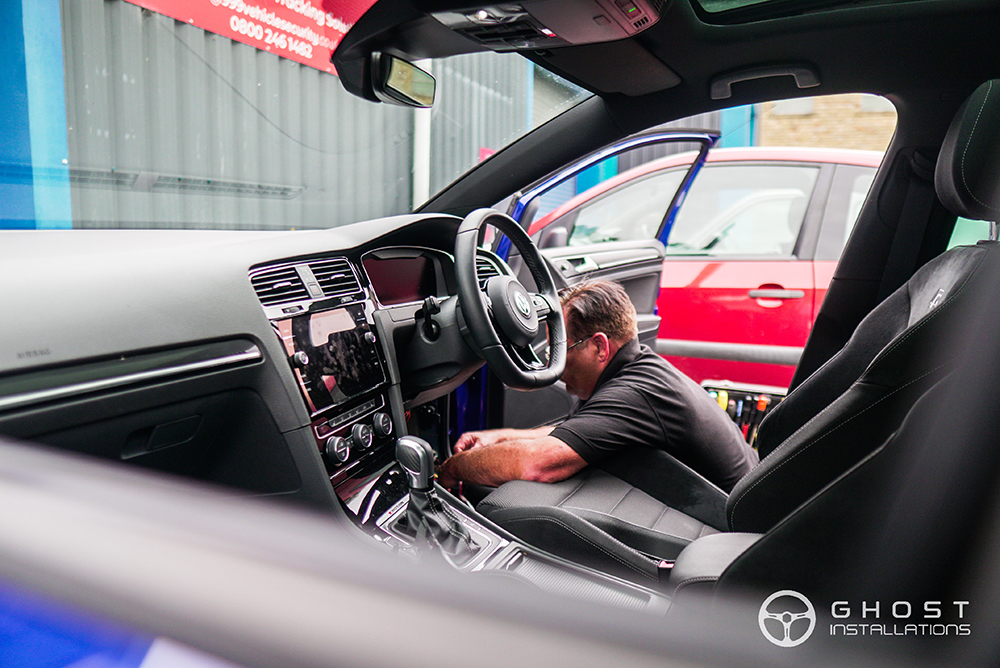
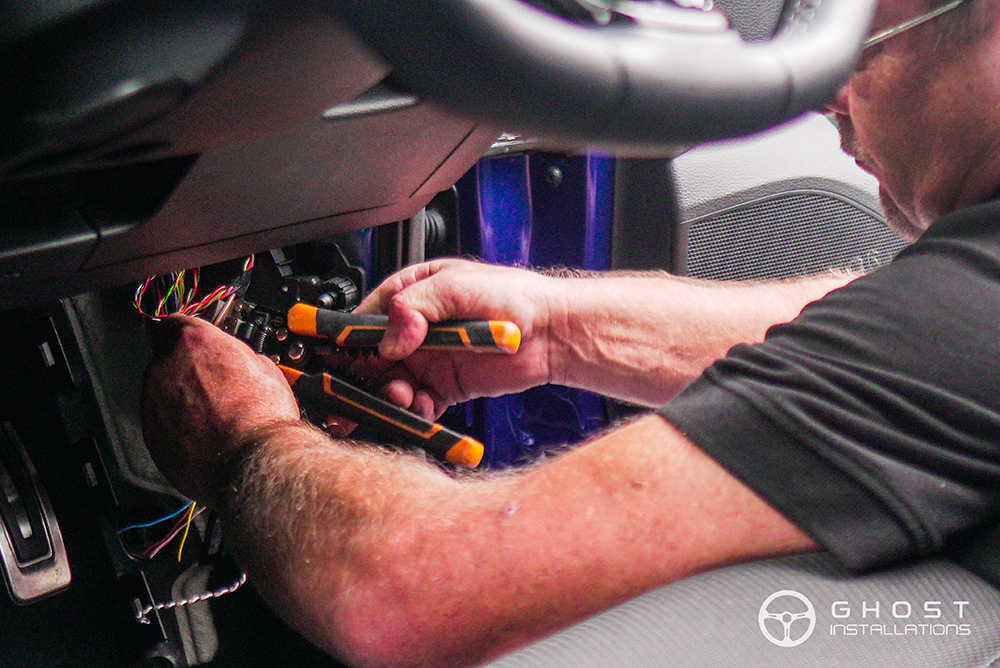
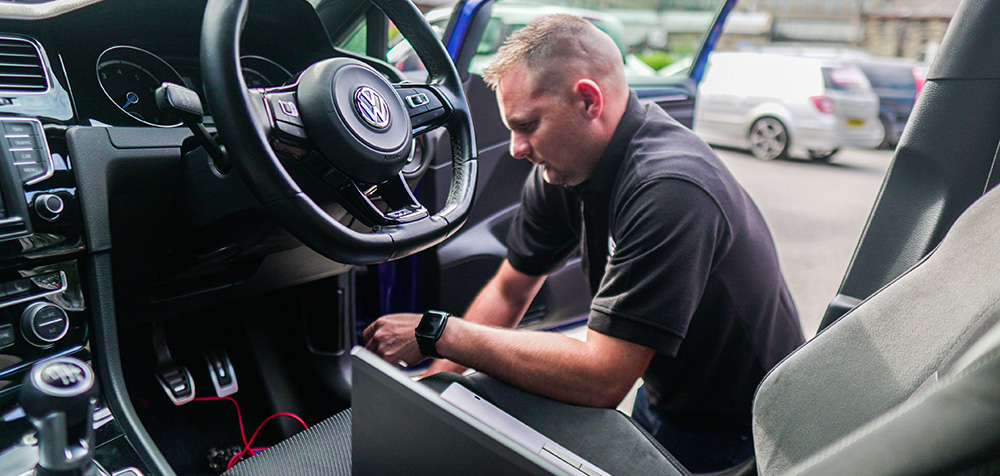
A Ghost must be professionally fitted. Ghost Installations installs to TASSA (Tracker and Aftermarket Security Systems Association) standards, using a non-invasive method that leaves no trace or damage to the interior, which matters to owners of luxury and classic cars. Whether you are protecting a family car or a cherished classic, it adds a powerful, invisible layer of security. To arrange installation, contact Ghost Installations or call 0800 246 1482.
What does a car immobiliser do? It prevents the engine from starting unless it receives the correct code, so a thief cannot drive the car away even if they get inside. It works by disabling systems such as the starter, fuel supply or ignition until authorised.
Does my car have an immobiliser? Almost certainly, if it was registered in the UK after October 1998, when immobilisers became a legal requirement on new cars.
Are car immobilisers a legal requirement in the UK? They are required on new cars sold in the UK since October 1998. Older vehicles are not obliged to have one, though an aftermarket immobiliser can be fitted.
Can a car immobiliser be bypassed? A factory immobiliser can be vulnerable to relay attacks, key cloning and OBD hacking, which target the key signal. An aftermarket PIN-based immobiliser like the Ghost defeats these because there is no key signal to intercept.
Do car immobilisers lower insurance premiums? Some insurers offer a benefit for a quality, professionally fitted immobiliser, especially on high-value cars, but this varies, so check with your insurer.
What is the best immobiliser against keyless (relay) theft? An aftermarket PIN or CAN bus immobiliser such as the Ghost, because it requires a personal sequence to start the car and emits no signal for thieves to capture.